Tools + Tech
Why Ugly Platforms Kill Wellness Businesses: The Psychology of Design in Digital Studios
You've spent years refining your craft. Your yoga sequences flow. Your coaching methodology transforms lives. Your retreats are curated down to the playlist, the lighting, the exact moment you ring the singing bowl.
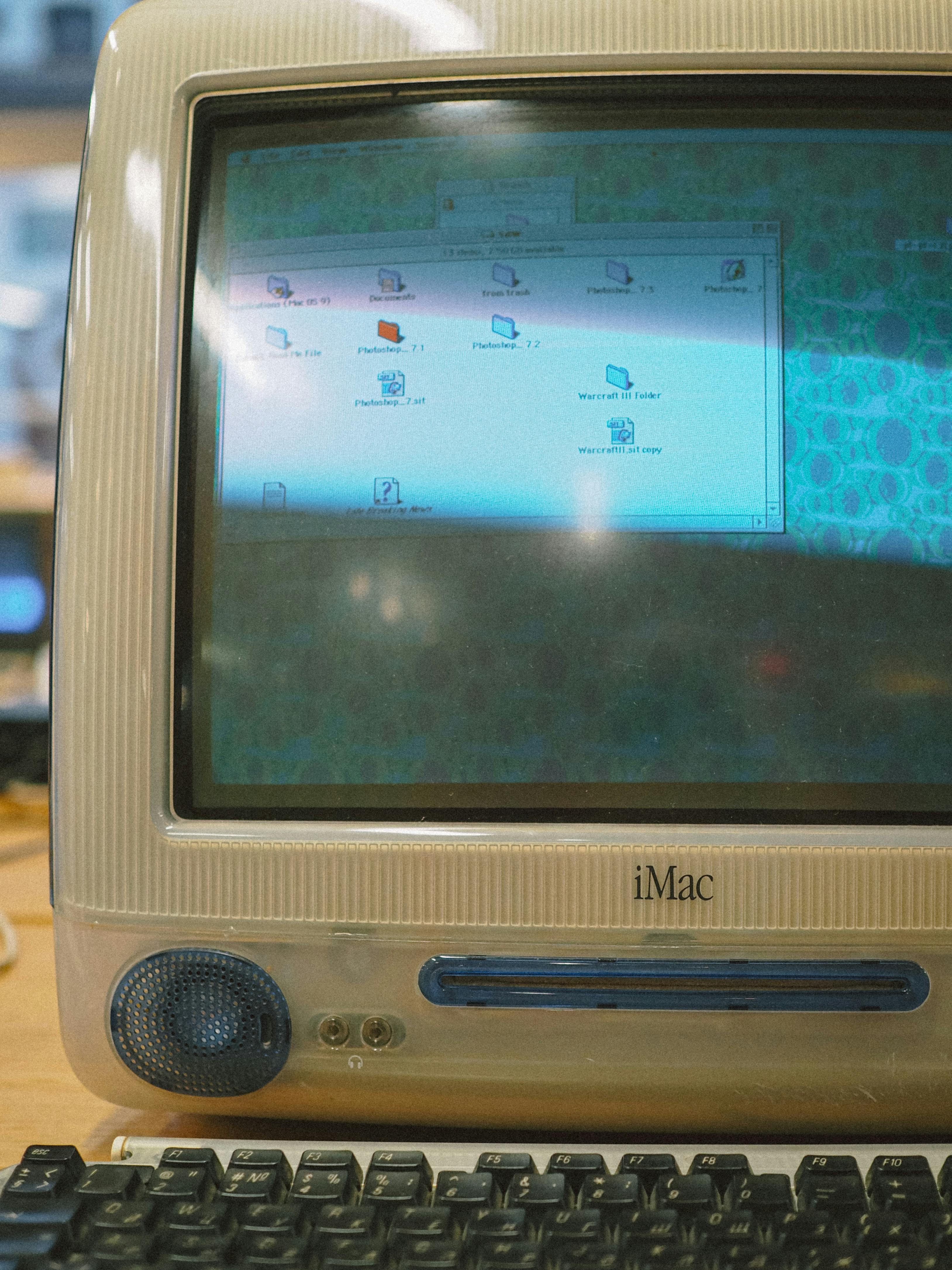
Then you send a new student to your online platform and they land on a page that looks like it was designed by an accounting software company in 2009.
Clunky navigation. Generic templates. A checkout flow that feels like filing taxes. The vibe you've worked so hard to create? Gone in a click.
Here's what most platform comparison guides won't tell you: in wellness, design isn't a nice-to-have. It's the product. And choosing an ugly platform isn't just an aesthetic compromise, it's a business decision that costs you students, revenue, and the very transformation you're trying to create.
Your Platform Is Your Studio Now
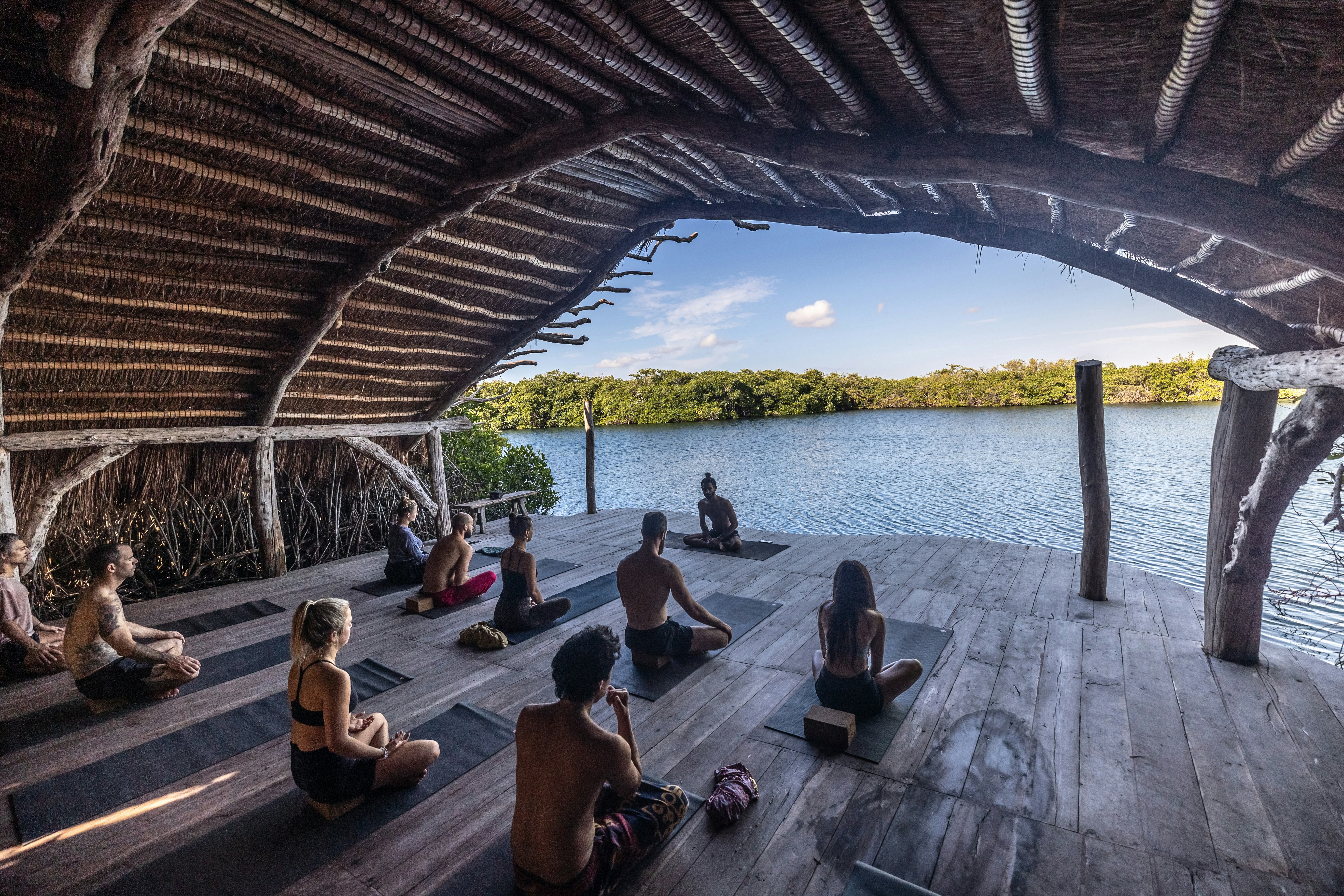
Think about how much intention goes into a physical wellness space.
The lighting. The scent. The texture of the floors. The music that greets people when they walk in. Every detail is chosen to create a feeling, a sense of calm, possibility, and trust, before a single word is spoken or pose is taught.
This isn't frivolous. It's functional. Environment shapes experience, and experience shapes transformation. Every wellness professional knows this intuitively.
Yet when it comes to choosing an online platform, this intuition often gets abandoned. Suddenly the criteria become features, pricing, and integrations. Design drops to "nice to have" status, evaluated by a quick glance at screenshots rather than how it actually feels to move through the experience.
But here's the thing: your platform is your studio now. For many of your students, it's the only space they'll ever experience your work. The login page is your front door. The course interface is your practice room. The checkout flow is your welcome desk.
And just like in a physical studio, every detail either builds trust or erodes it.
The Psychology of Design in Digital Wellness
The impact of design on user behavior isn't woo-woo. It’s well-documented psychology. Here's what the research tells us about why aesthetics matter so much, especially in wellness:
First Impressions Are Formed in 50 Milliseconds
Studies show that people form aesthetic judgments about websites in as little as 50 milliseconds—far faster than they can read a single word. And these snap judgments heavily influence whether they perceive the site as trustworthy, professional, and worth their time.
For wellness businesses, this matters enormously. You're asking people to trust you with their health, their bodies, their mental wellbeing. If your platform looks dated or chaotic, you're starting at a credibility deficit before they've even seen your content.
Visual Design Affects Perceived Value
Researchers have consistently found that people are willing to pay more for products and services that are presented beautifully. The phenomenon is called the "aesthetic-usability effect" which means when something looks good, people assume it works well and is worth more.
This means your platform design directly impacts what you can charge. The exact same course, presented on a sleek, intentional interface versus a cluttered, templated one, will command different prices. Not because the content is different, but because the perceived value is different.
Friction Kills Conversion
Every moment of confusion, every ugly button, every page that makes someone think "wait, where do I click?" are conversion killers. In UX research, this is called cognitive friction, and it's the silent revenue leak in most online businesses.
Wellness purchases are often emotionally driven. Someone signs up for your membership in a moment of motivation and aspiration. A clunky checkout flow gives their doubt time to catch up. A seamless, beautiful one carries them through on the feeling that brought them there.
Calm Design Creates Calm Students
Here's something the tech platforms don't understand about wellness: your students come to you to feel better. They're seeking calm, clarity, peace, or empowerment.
If your platform is visually noisy with cluttered dashboards, competing calls-to-action, overwhelming navigation, it’ll create subtle stress. It contradicts the very experience you're trying to deliver. The medium undermines the message.
The best wellness platforms feel like a deep breath. Simple. Spacious. Intentional. They extend the experience of your teaching rather than interrupting it.
What "Ugly" Actually Looks Like (And Why It Happens)
When we talk about ugly platforms, we're not just talking about outdated color schemes. Here's what actually creates that "clunky" feeling wellness creators describe:
Generic, corporate templates. Platforms built for "any creator" often default to aesthetics that work for business coaches and marketing gurus but feel completely wrong for wellness. Aggressive fonts. Sales-y layouts. That particular shade of corporate blue.
Feature bloat on display. Many platforms are so proud of their features that they put everything on screen at once. The result is visual overwhelm with dashboards that look like airplane cockpits, navigation menus with 47 options, settings panels that require a tutorial.
Neglected mobile experience. Over 60% of wellness content is consumed on mobile devices. Yet many platforms treat mobile as an afterthought with cramped layouts, tiny buttons, horizontal scrolling. Your students are trying to do yoga in their living room while following along on their phone. The experience matters.
Checkout flows designed by engineers. The moment of purchase should feel like an invitation, not an interrogation. But many platforms have checkout processes that ask for too much information, display unnecessary fields, and create anxiety rather than ease.
Inconsistent branding. Some platforms let you customize your landing page but lock you into their branding everywhere else. So your beautifully designed sales page leads to a login screen with someone else's logo, colors, and vibe. The trust you built evaporates.
Why Do So Many Platforms Look This Way?
Because they weren't built for wellness.
Most online course and membership platforms were built by tech companies for the general "creator economy." It’s a world of business coaches, marketing experts, and info-product sellers. These audiences have different aesthetics, different expectations, and frankly, different tolerances for aggressive design.
When wellness creators try to use these platforms, they're essentially moving into a space that was designed for someone else and trying to make it feel like home. Sometimes it works. Often it doesn't.
What to Look for in a Wellness-First Platform
If design is this important (and it is) what should you actually look for when choosing where to host your online business?
Simplicity as a Feature
The best platforms feel simple even when they're powerful. Look for clean interfaces where you're not overwhelmed with options. A good test: can you figure out how to do the basics (create a class, invite a student, view your payments) without watching a tutorial?
Mobile-Native Design
Don't just check if the platform "works on mobile." Actually go through the full student experience on your phone. Sign up for something. Watch a video. Navigate between sections. Does it feel natural or frustrating?
Consistent, Customizable Branding
Your brand should show up everywhere and not just on the pages you manually design. Look for platforms that let your colors, fonts, and aesthetic carry through the entire student experience, from landing page to login to course delivery to receipts.
Checkout That Feels Like Welcome
Pay attention to the purchase experience. Is it streamlined or bloated? Does it feel trustworthy or sketchy? Does it match the aesthetic of everything else, or does it suddenly look like a different website?
Aesthetic Alignment with Wellness
This is harder to quantify but easy to feel. When you look at the platform's own marketing, their demo sites, their templates, do they feel like wellness? Or do they feel like they're trying to sell you a marketing funnel?
Some platforms just get the wellness aesthetic. They understand whitespace, calm color palettes, and the importance of breathing room. Others don't, and no amount of customization will fully fix that.
The Hidden Cost of Compromise
Wellness creators often choose platforms based on price or features, planning to "make it work" aesthetically. This is understandable. You're busy, and platform migration is painful.
But consider the hidden costs of this compromise:
Lost conversions you'll never see. You won't get an email from the potential student who clicked away because your platform felt off. They'll just be gone.
Lower prices than you deserve. If your platform undermines your perceived value, you'll unconsciously price lower to compensate or face resistance when you try to charge premium rates.
Brand dilution. Every touchpoint that doesn't feel like you, weakens your brand. Over time, this adds up to a less distinctive, less memorable business.
Your own creative drain. Working in an ugly environment is demoralizing. Fighting with your platform to make things look acceptable takes energy you could spend on teaching.
The platform you choose isn't just a tool. It's a partner in your business. It either elevates what you do or diminishes it.
Your Next Step
You've invested in your training, your skills, your unique approach to helping people transform. Your online presence deserves that same level of intention.
Marvelous was designed specifically for wellness creators who care about the details because we know your students do too. Clean interfaces. Calm aesthetics. A student experience that feels like an extension of your teaching, not a departure from it.
Beautiful doesn't have to mean complicated. And professional doesn't have to mean corporate.
Your digital studio should feel like you. Every click, every page, every moment of the experience. Because in wellness, design isn't decoration, it's part of the transformation.
RESOURCES:
Teach on Marvelous
Check out the Well Well Well marketplace
Keep Reading
Keep Reading
Marvelous is Your All-in-One Platform for Stunning Courses, Memberships & Live Classes
Start creating and earning on Marvelous.