Tools + Tech
How to Use Your Phone as a Webcam for Online Classes and Coaching Sessions
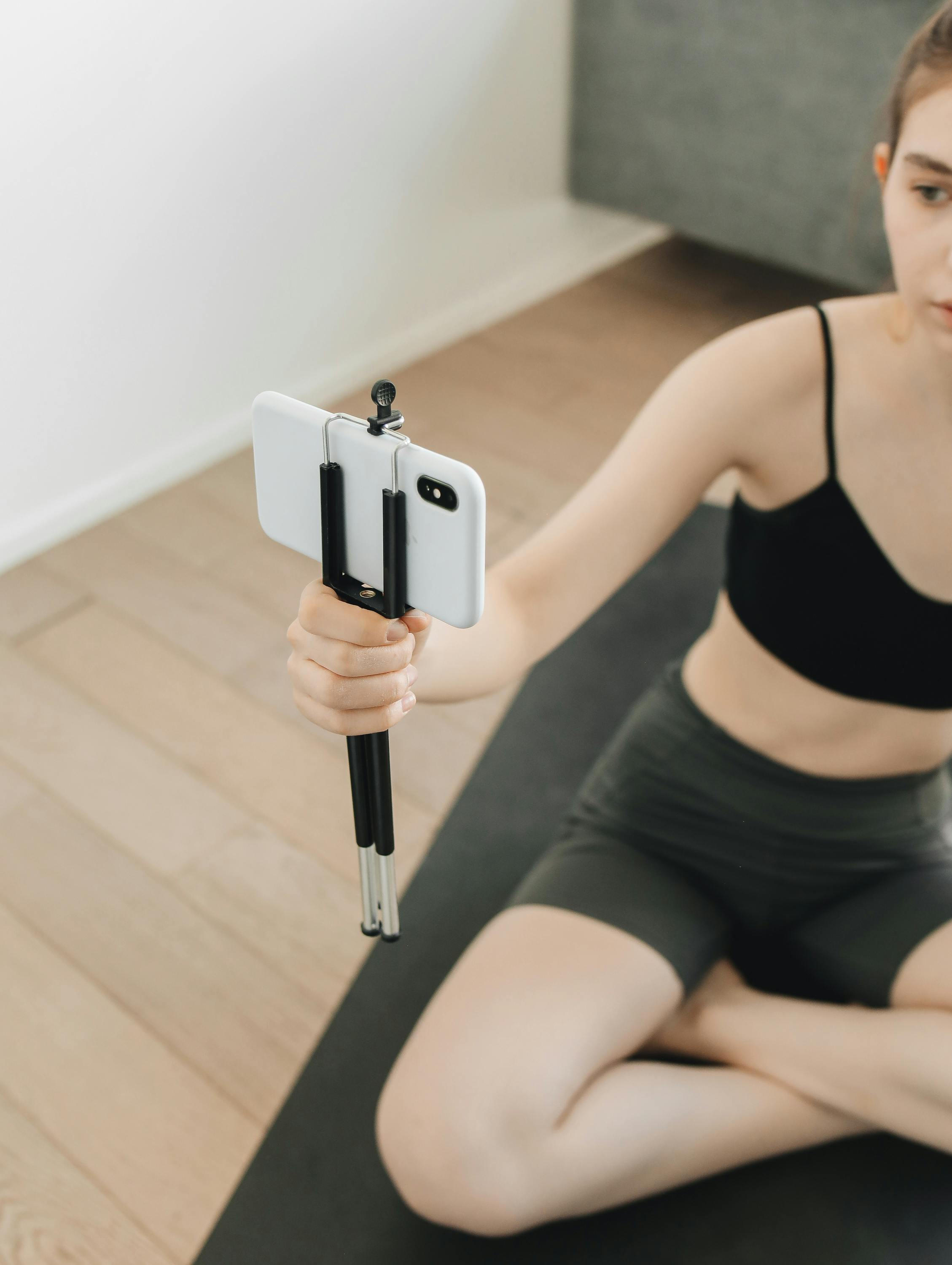
If your online classes look dim, blurry, or flat on camera, your laptop webcam is probably the bottleneck.
The good news: you likely already own a better camera.
Using your phone as a webcam for teaching is one of the simplest upgrades you can make for clearer demos, stronger connection, and more confidence on screen—without buying expensive gear.
Whether you teach yoga, lead breathwork, coach clients 1:1, or run virtual wellness classes, this guide will walk you through exactly how to set it up.
Why your phone camera is usually better than your laptop webcam
Most laptop webcams are built for quick meetings, not teaching.
Your phone camera is built for photos and video, so it usually gives you:
Better low-light performance
Sharper image quality
More natural skin tones
Better autofocus as you move
That matters when your work is visual.
If you’re cueing a student through Warrior II, they need to see your shoulder position clearly. If you’re coaching breath patterns, clients need to see your face and expression. If you’re teaching Pilates, students need to track your spine and alignment cues—not squint at a grainy silhouette.
A better camera helps your students feel safer and more supported. It also makes your teaching feel more professional, even if you’re in a simple home setup.
What you need for a phone-as-webcam setup
You don’t need a studio. You need a few basics that make your classes stable and easy to run.
1) Your phone
Any relatively recent iPhone or Android can work.
iPhone: iOS 15+
Android: Android 11+ is ideal
(Older versions can still work with some apps, but setup is usually smoother on newer systems.)
2) A webcam app (or built-in option)
For most teachers, these are the easiest options:
iPhone + Mac: Apple Continuity Camera (built in, no extra app)
iPhone or Android + Mac/Windows: Camo, EpocCam, DroidCam, or Iriun
Use one app and stick with it once it’s stable. Constantly switching tools right before class creates stress you don’t need.
3) A mount or tripod
Skip the “lean phone against a mug” method.
Use:
A phone tripod
A clamp mount on a shelf or desk
A ring-light stand with phone holder
For movement classes, stability is everything. If your camera shakes every time you step back, students lose focus.
4) Charging cable or power source
Video drains battery quickly.
If you’re teaching 60–90 minute sessions, plug your phone in during class.
5) Basic lighting
Good lighting does more than camera quality alone.
Quick rule:
Light your face/body from the front or 45° angle
Avoid strong backlight from a bright window behind you
A window in front of you can be enough. Add a simple lamp if needed.
Step-by-step: iPhone setup for Zoom and virtual classes
Option A: iPhone + Mac using Continuity Camera (easiest)
If you use a Mac and iPhone, this is usually the fastest path.
Step 1: Check requirements
Mac and iPhone signed into the same Apple ID
Wi-Fi and Bluetooth turned on for both
iPhone nearby and locked (camera still works)
Step 2: Mount your iPhone
Place it where students can see what they need:
Face-level for coaching calls
Wider/waist-up for seated practices
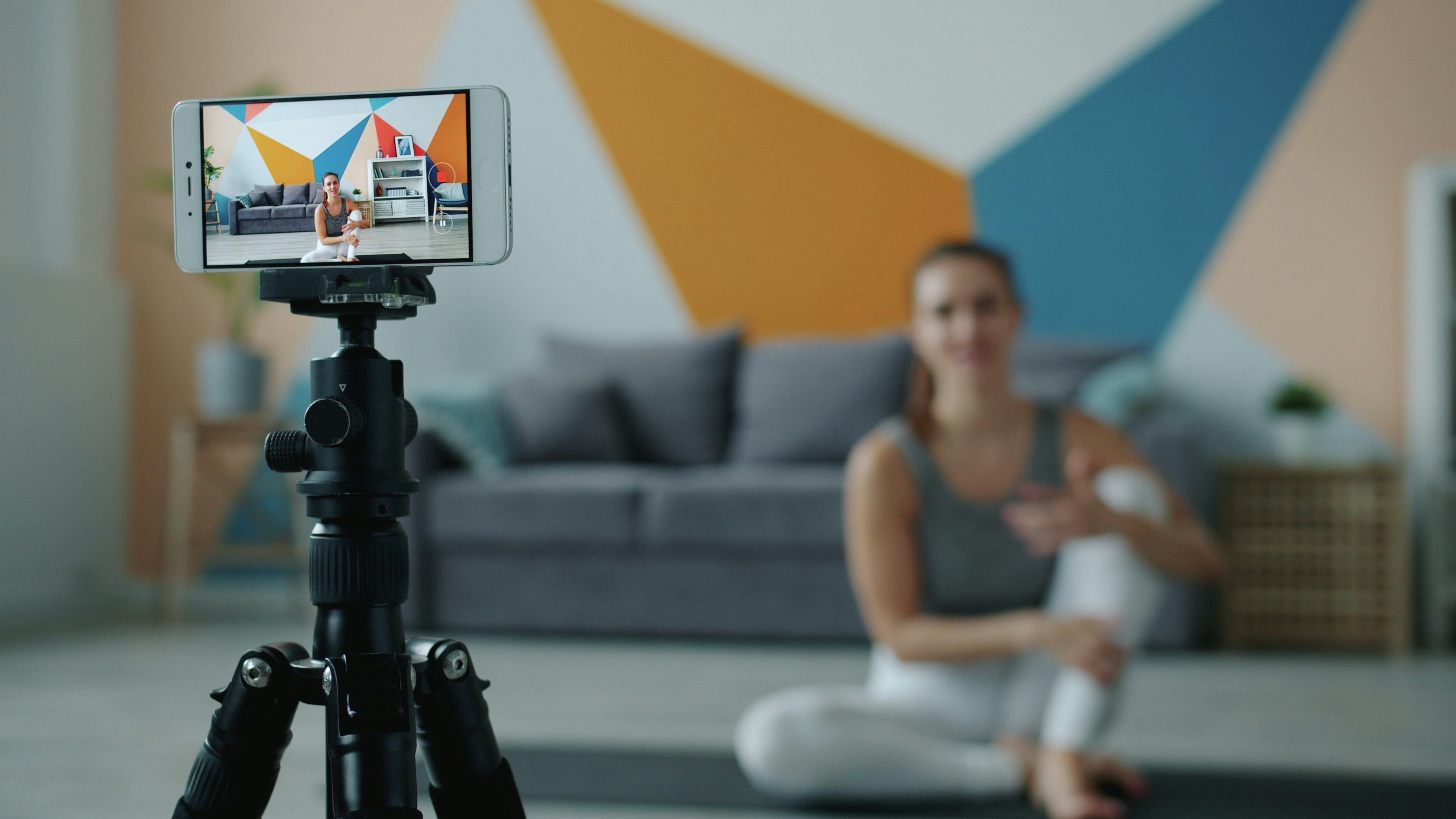
Full-body framing for yoga or fitness demos
Use the rear camera, not the selfie camera, for better quality.
Step 3: Select your iPhone as camera in Zoom
In Zoom:
Open Settings → Video
Choose your iPhone from the camera dropdown (it may show as “iPhone Camera”)
Test framing before class
Step 4: Select your microphone intentionally
You can use:
Your phone mic
Your computer mic
A headset/lapel mic
For movement classes, clear audio matters as much as video. If students can’t hear cues over music or movement, quality drops fast.
Step 5: Run a private test session
Start a test meeting and practice:
Walking in and out of frame
Demonstrating floor and standing movements
Speaking at teaching volume
This 10-minute test prevents mid-class panic.
Option B: iPhone + Windows (or if Continuity Camera isn’t available)
Step 1: Install a webcam app
Install one app on both devices (phone + computer), such as Camo or EpocCam.
Step 2: Connect phone and computer
Use USB if possible for stability. Wi-Fi can work, but USB usually reduces lag.
Step 3: Select the app camera in Zoom
In Zoom video settings, choose the app camera (for example, “Camo Camera”).
Step 4: Lock framing and exposure
If your app allows it, lock focus/exposure so brightness doesn’t constantly shift while you move.
Step-by-step: Android setup for Zoom and virtual classes
Android works well too—especially with a good mount and USB connection.
Step 1: Choose an app
Common options: DroidCam, Camo, Iriun.
Install the app on your Android phone and companion software on your Mac or Windows computer.
Step 2: Connect via USB (recommended)
Wi-Fi is fine for quick tests, but USB is better for live teaching.
Why USB helps:
Fewer dropped connections
Lower latency
More consistent image quality
Step 3: Enable required phone permissions
Allow camera and microphone permissions when prompted.
Some Android setups also require enabling USB debugging for advanced features in certain apps. Follow your app’s guide only if needed.
Step 4: Select camera in Zoom
In Zoom:
Open Settings → Video
Select the app camera (example: “DroidCam Source 3”)
Confirm resolution and framing
Step 5: Test movement and audio together
Run a full rehearsal of your class flow:
Intro talk to camera
Standing sequence
Floor demo
Closing reflection
This helps you catch framing issues before students join.
Best camera angles for movement-based classes
If you teach movement, camera placement can make or break learning.
Full-body view for form-based classes
For yoga, Pilates, barre, or mobility work, students need to see your full range.
Aim for:
Camera 6–10 feet away (depending on room size)
Lens at about hip-to-chest height for full-body sessions
Enough headroom so arms overhead stay visible
Do a quick test: can someone see your feet in Downward Dog and your fingertips in Mountain Pose? If not, adjust distance first.
Closer framing for coaching and breathwork
For life coaching, mindset work, meditation, or breath sessions:
Frame head and upper torso
Keep eyes near top third of frame
Use soft front lighting for warm connection
This supports eye contact and emotional safety.
Side angle for alignment demos
When teaching spinal position, hinge mechanics, or squat form, switch briefly to a side angle.
You don’t need a multi-camera studio. Just rotate your mount and explain what students should observe.
Mark your teaching zone
Use tape on the floor to mark where you stay in frame.
It sounds simple, but this prevents half your class from happening off-camera.
Common mistakes (and easy fixes)
Even a great camera setup can go sideways if a few basics are off.
Mistake 1: Backlighting yourself
What it looks like: You appear dark while the window behind you is bright.
Fix: Turn to face the window, or close blinds and add light in front of you.
Mistake 2: Phone battery dies mid-session
Fix: Start class above 80% and keep phone plugged in. Use airplane mode + Wi-Fi if notifications interrupt class.
Mistake 3: Camera keeps hunting focus
Fix: Use enough light and lock focus/exposure in your app if possible.
Mistake 4: Audio echo or mismatch
Fix: Choose one primary mic source. If using your computer mic, mute phone mic inside the app.
Mistake 5: Overcomplicated setup
Fix: Pick one reliable app, one camera angle, one backup plan. Consistency beats complexity.
A simple pre-class checklist (2 minutes)
Before each session, run this quick check:
Phone mounted and charging
Camera selected correctly in Zoom
Mic selected and tested
Lighting checked (no heavy shadows)
Frame includes what students need to see
Notifications silenced
Backup plan ready (laptop cam fallback)
This routine helps your classes start calm and on time.
Final thoughts
You don’t need expensive camera equipment to create high-quality virtual wellness classes setup! In most cases, your phone is already the best camera you own.
If you’ve been hesitating, start simple: one app, one tripod, one test session. Then refine from there.
When you’re ready to host your classes, coaching sessions, and client offers in one place, Marvelous makes it easy to run live teaching with whatever camera setup works best for you.
Marvelous is Your All-in-One Platform for Stunning Courses, Memberships & Live Classes
Start creating and earning on Marvelous.